
How Hardin Valley Sellers Can Prepare For The Appraisal
June 4, 2026
June 4, 2026
Wondering how much the appraisal really matters once your Hardin Valley home is under contract? It can be one of the most important steps in your sale, especially when a buyer is using financing. If you want the process to go more smoothly, the good news is that there are practical ways to prepare without overthinking it. Let’s walk through what sellers in Hardin Valley should know before appraisal day.
An appraisal is an independent opinion of your home’s market value. In a Tennessee loan transaction, the lender orders the appraisal and engages a state licensed or certified appraiser, sometimes through an appraisal management company. Even if another party pays the appraisal fee, the lender is still the client.
That matters because the appraisal is not about hitting a contract number. It is about helping the lender evaluate the property as collateral for the loan. If the appraised value comes in at or above the contract price, the transaction usually keeps moving forward.
If the value comes in below the contract price, the next steps can vary. A buyer may try to renegotiate, increase their down payment, ask the lender for a reconsideration of value, or walk away depending on the contract terms and the situation.
It is easy to confuse the appraisal with the home inspection, but they serve different purposes. A home inspection focuses on the condition of the property and looks for defects or repair issues. The appraisal focuses on value.
In Tennessee, the appraiser’s on-site visit may take only a couple of hours, but the full appraisal process can take anywhere from a few days to a few weeks depending on the property and the appraiser’s workload. That is why it helps to be prepared before the appointment is scheduled.
For most residential properties, appraisers rely heavily on the sales comparison approach. That means they compare your home to recent sales of similar homes with similar physical and legal characteristics.
In Hardin Valley, that does not always mean the appraiser will use sales only from your exact subdivision. If there are not enough strong matches nearby, the appraiser may use the best available comparable sales from a competing neighborhood and explain why those homes were selected.
Beyond comparable sales, the appraiser also looks at the property itself. This can include your home’s size, layout, room count, condition, maintenance, landscaping, roof, exterior, foundation, attic, basement, garage, driveway, site size, shape, topography, drainage, and any visible encumbrances.
Location, views, and extra features can also be part of the analysis. A pool, for example, may be considered, but no single feature guarantees a certain value. The appraiser rates your home on its own merits and supports the opinion with market evidence.
The best preparation is factual, clean, and organized. You do not need to "sell" the appraiser on your home. Instead, you want to make it easy for the appraiser to see the property clearly and verify accurate information.
Tennessee’s consumer guidance notes that appraisers may ask about items such as easements, private agreements, occupancy, sale history, prior transfers, additions, and permits. If you have documentation that helps explain your property, gather it ahead of time.
A simple one-page improvement list can be very helpful. Include updates, completion dates, and any major work that adds context to the home’s history.
Helpful items to organize may include:
Minor repairs can make a difference in presentation and reduce avoidable concerns about condition. Fresh paint, touch-ups, and fixing small visible issues can help the home show as well maintained.
That said, cosmetic work does not override market factors like location, square footage, overall condition, and comparable sales. Think of these updates as supportive details, not a shortcut to a higher value.
One of the easiest ways to prepare is to make the home easy to walk through. Clear clutter so the appraiser can see walls, floors, windows, and built-in features.
Make sure all major areas are accessible, including the garage, attic access, basement spaces, utility areas, and any bonus rooms. If rooms are crowded or blocked, the appraiser may have a harder time fully observing the property.
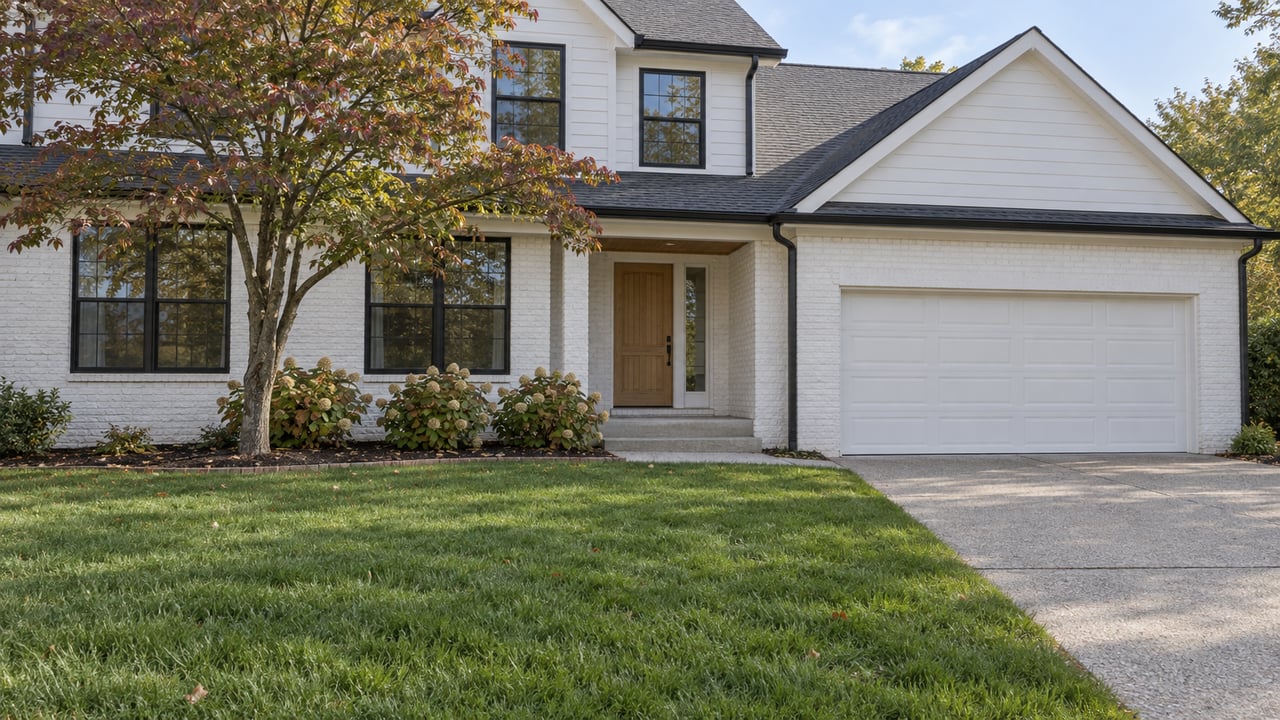
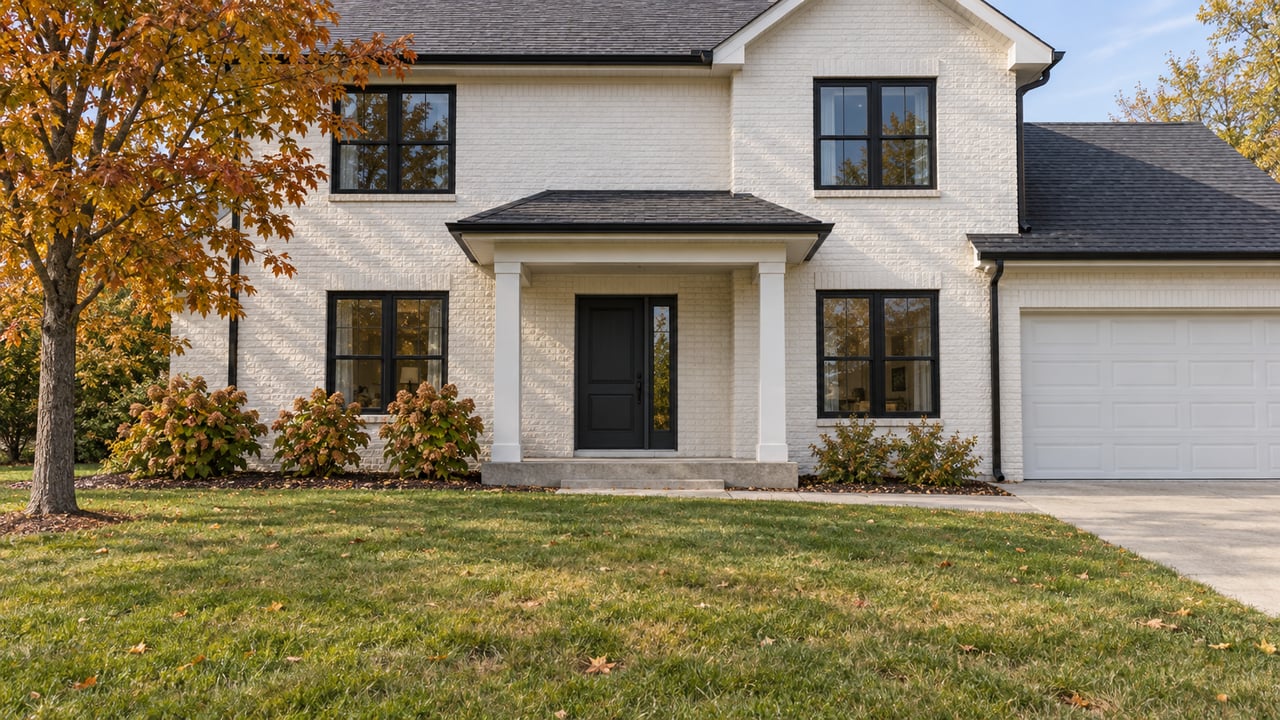
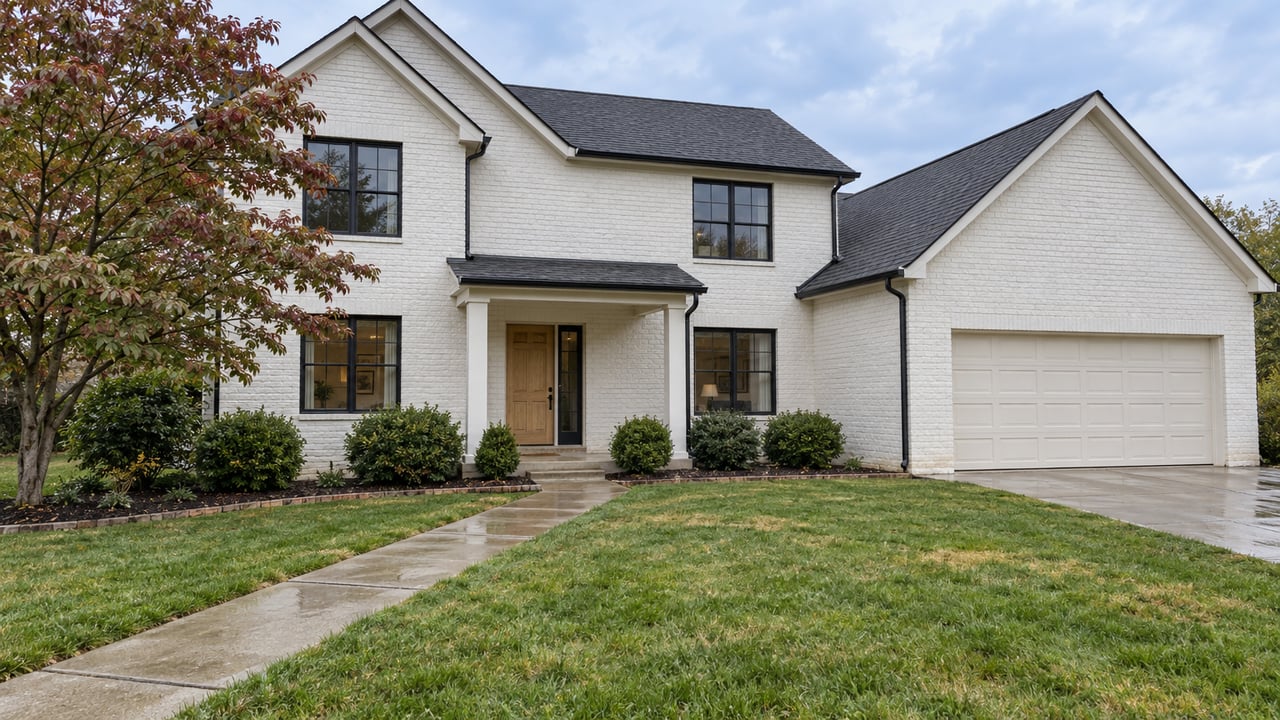
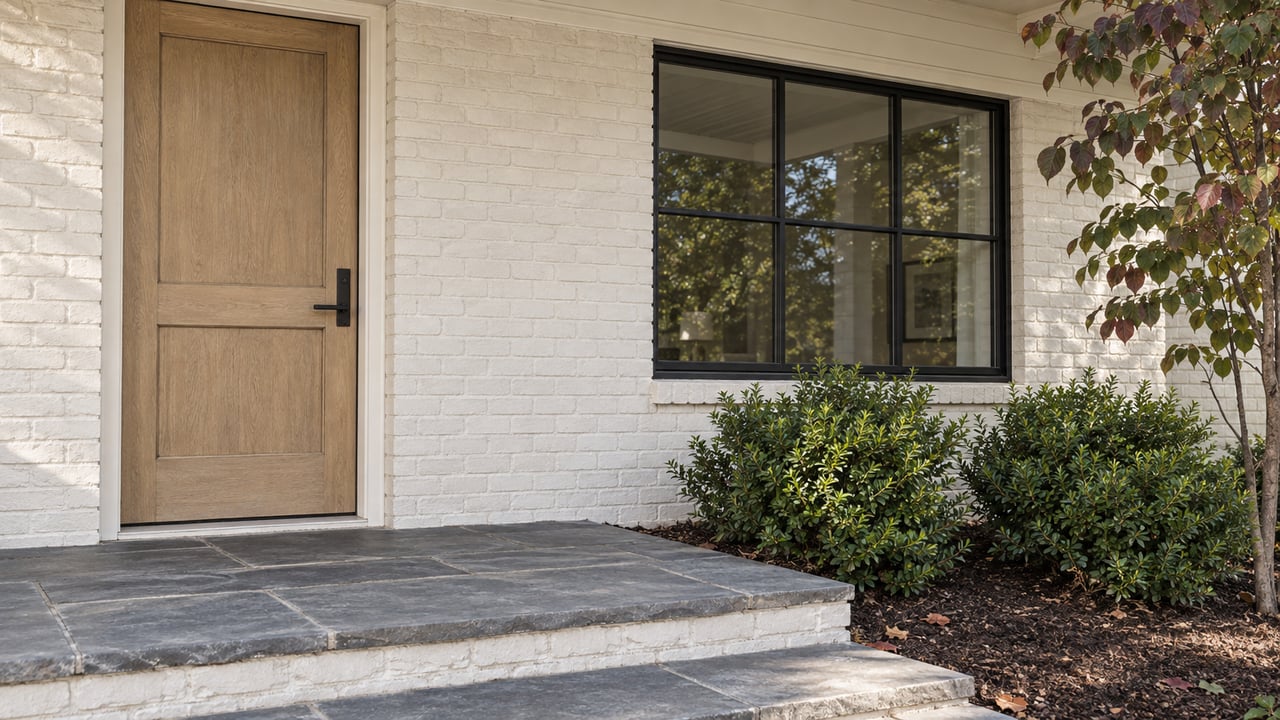
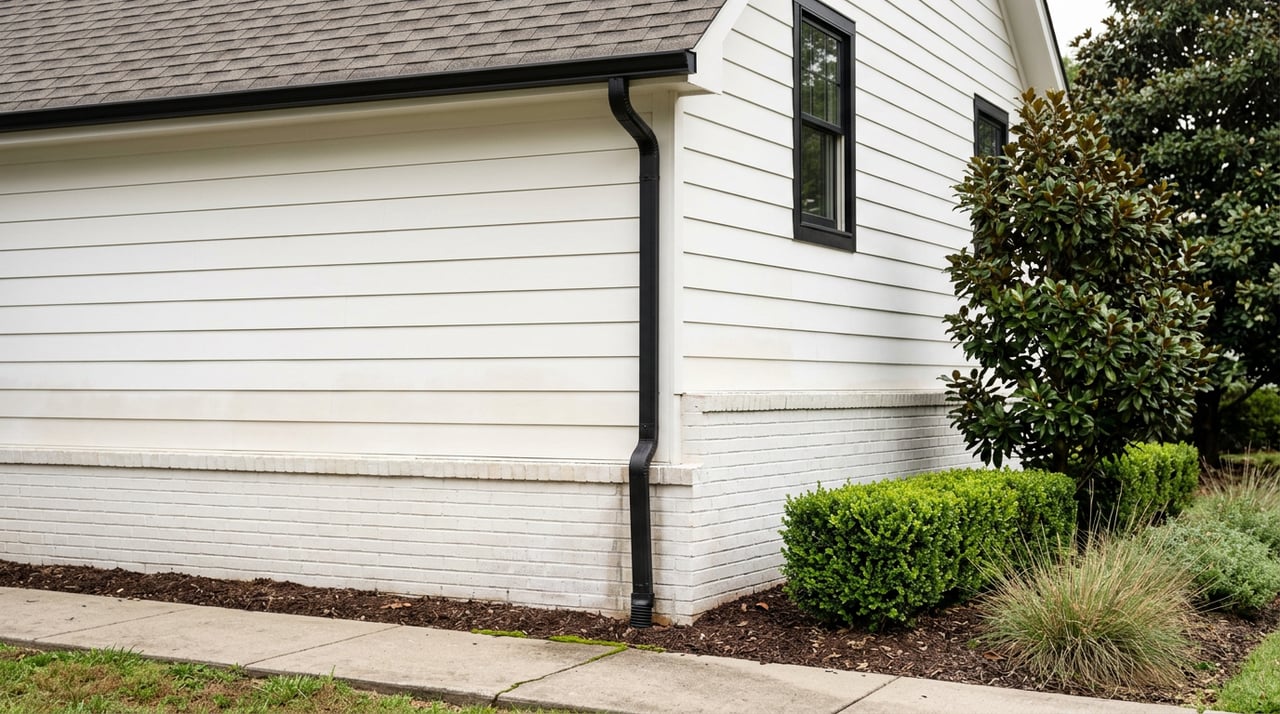
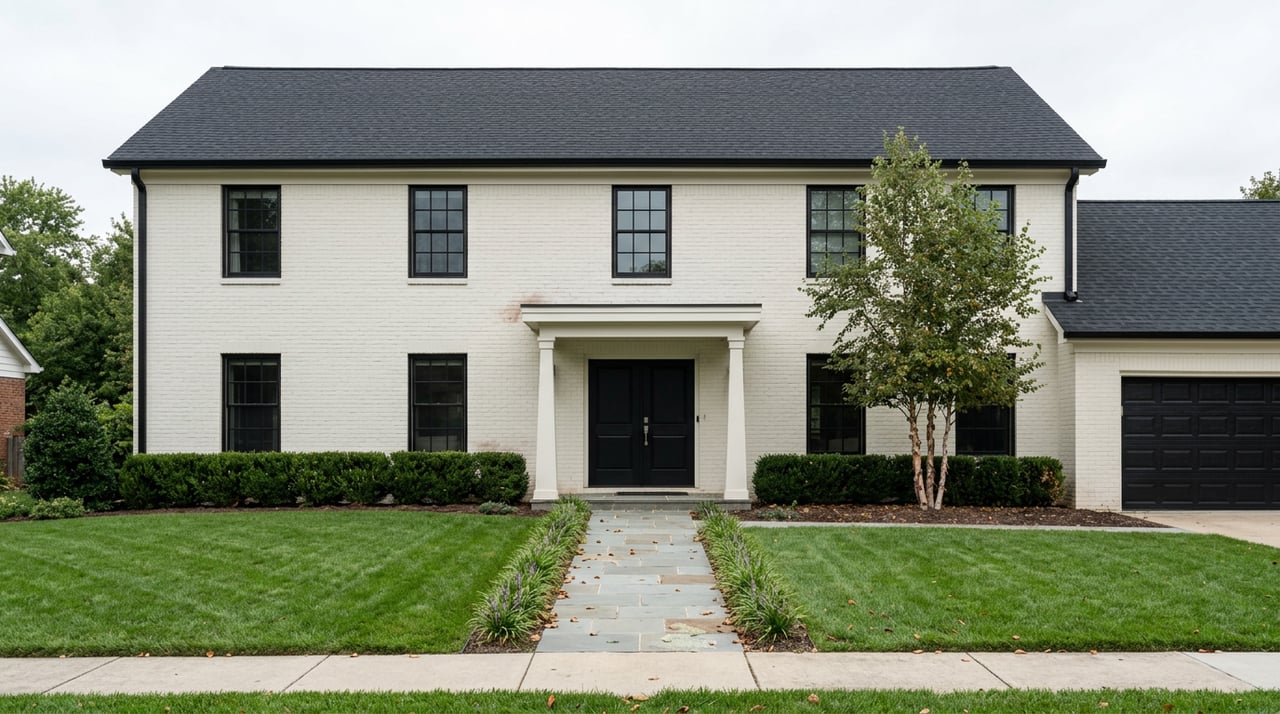
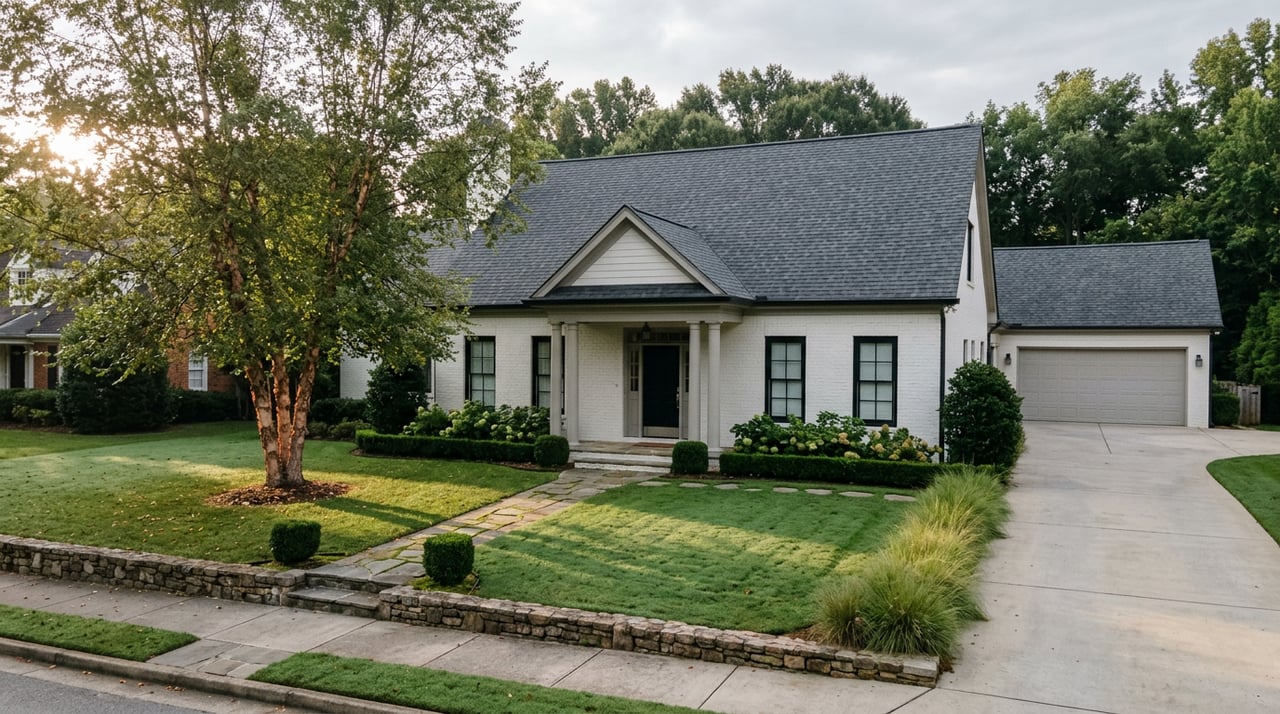
Curb appeal is not the whole story, but exterior condition is still part of the appraiser’s observation. A mowed lawn, trimmed landscaping, and a clean entry can help create a clear first impression of maintenance.
This is especially useful in suburban Hardin Valley neighborhoods where outdoor presentation is part of the property’s overall condition. You are not trying to stage a photo shoot. You are simply reducing distractions.
Freddie Mac recommends having pets out of the way and keeping the appointment distraction-free. If you are home during the visit, you can answer factual questions and point out features the appraiser might otherwise miss.
A calm, well-prepared appointment is often better than an over-explained one. The goal is clarity, not persuasion.
There is an important line between helpful information and trying to influence the value. Federal valuation independence rules prohibit coercion, threats, inducements, or pressure intended to push the appraisal to a certain number.
In plain terms, do not argue for a target value or try to pressure the appraiser to support the contract price. The safer and more effective approach is to provide accurate documentation and let the market data do the work.
That means it is appropriate to share:
It is not appropriate to pressure the appraiser for a specific outcome. Facts are helpful. Pressure is not.
A low appraisal does not always mean the deal is dead, but it can change the conversation. Because the lender relies on the appraised value, a gap between value and contract price may need to be resolved before closing.
Possible outcomes include a price renegotiation, a larger buyer down payment, or a reconsideration of value through the lender. Sellers usually do not discuss the report directly with the appraiser. If there is a factual correction to raise, the proper path is through the lender.
If that happens, organized records matter even more. Clear evidence about improvements, corrections, or comparable information can help support a reconsideration request through the correct channel.
In many cases, appraisal prep is less about doing something dramatic and more about avoiding preventable issues. Missing paperwork, blocked rooms, obvious maintenance items, or undocumented upgrades can make the process harder than it needs to be.
If you are selling in Hardin Valley, it helps to go into the appraisal with realistic expectations and a clean, organized plan. Your home still has to stand on market evidence, but strong preparation can help the appraiser see it clearly and fairly.
When you have the right pricing strategy from the start and a thoughtful plan for each step of the sale, the appraisal feels less like a surprise and more like part of a well-managed process. If you want guidance tailored to your home and your neighborhood, Jennifer Whicker is here to help.
Stay up to date on the latest real estate trends.


With me, what you see is what you’ll get. I’ll give you honest advice, enable you to think outside the box, and will be patient and never pushy. I’ll help you with decision-making and advocating, and make sure everything is moving forward. Your peace of mind is my priority. Whether you’re a first-time buyer or a seasoned seller, I’d love to be your Knoxville Realtor®.