Farragut TN Neighborhoods Guide: Established or Newer?
May 7, 2026
May 7, 2026
Wondering whether an older Farragut neighborhood or a newer planned community will fit your life better? It is a common question, especially when both options can look appealing for very different reasons. If you are trying to balance yard space, amenities, maintenance, and long-term convenience, this guide will help you compare what matters most in Farragut. Let’s dive in.
Farragut neighborhoods do not all feel the same by accident. Since incorporating in 1980, the town has managed growth through zoning, building codes, open-space requirements, road improvements, and design standards.
That planning framework shapes how communities look and function. Developers must dedicate 10 percent of a project’s acreage to open space or recreational amenities, and the town reviews details like subdivision plats, setbacks, easements, drainage, pedestrian access, and site layout.
Farragut also points out that many subdivisions have only one entrance. That can help create a more tucked-away feel, but it can also concentrate traffic and create tradeoffs for access and circulation.
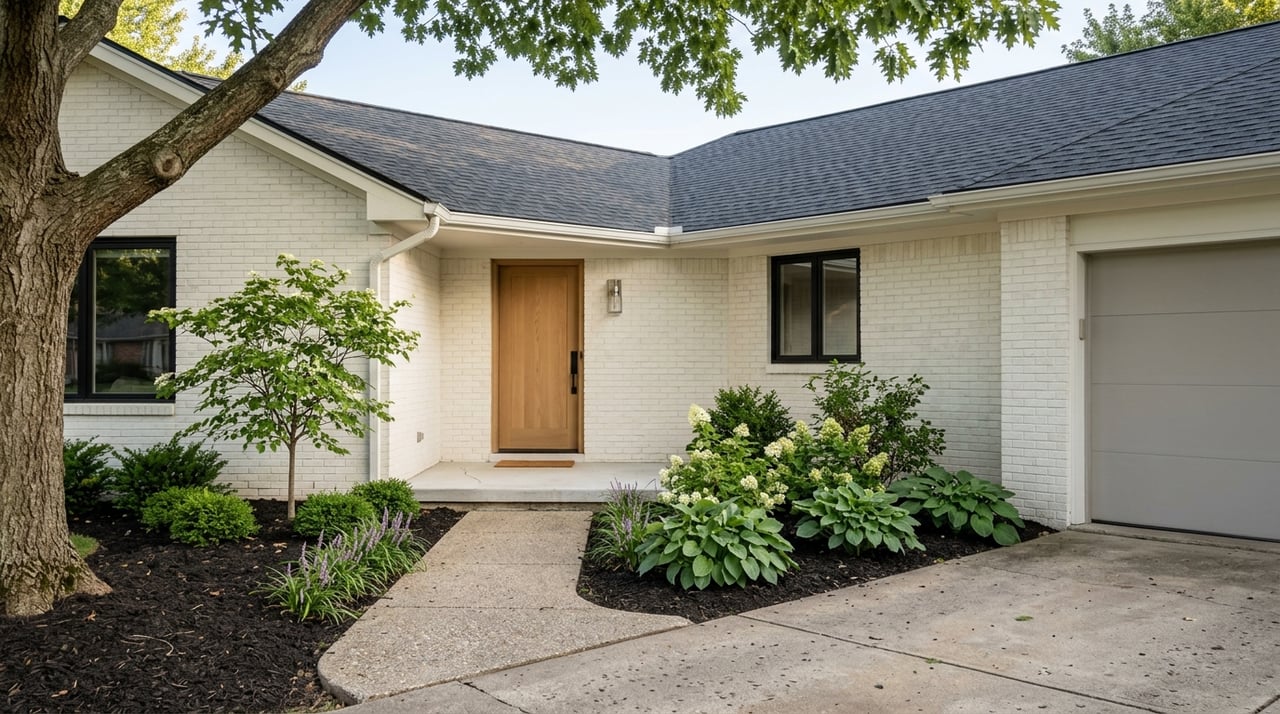
If you are drawn to mature trees, larger or less uniform lots, and a stronger sense of neighborhood history, established Farragut communities may feel like a natural fit. These neighborhoods often show more variation in home style, yard shape, and streetscape.
In many older subdivisions, you will also find amenities and HOA traditions that have been in place for years. That can create a more settled feel, especially if you like neighborhoods with long-running events, club connections, or recognizable character.
One of the biggest differences is the land itself. Sample listings in established neighborhoods such as Village Green, Fox Den Village, and Fox Run show homes on lots ranging from about one-third of an acre to more than an acre in some cases.
That does not mean every older home has a large yard, but it does show a pattern. Compared with many newer communities, established neighborhoods often give you more variation in lot size, more established landscaping, and a less standardized layout.
Established neighborhoods in Farragut often have amenities tied to their history. Village Green’s HOA describes more than 400 families and amenities that include two swimming pools, playgrounds, tennis courts, basketball courts, wooded play areas, picnic areas, and a clubhouse.
Fox Den Village reflects another kind of legacy appeal. It is tied to Fox Den Country Club, which dates to 1968 and was originally planned as a residential community around golf, with club offerings today that include golf, dining, fitness, tennis, pool access, and member events.
Fox Run and Wentworth are also good examples of established amenity-rich neighborhoods. Fox Run includes a clubhouse, private pools, a lit tennis and pickleball court, a sports field, and paved wooded walking paths, while Wentworth offers wide sidewalks, greenway access, a clubhouse, large pool, tennis and pickleball courts, and a basketball court.
Here are a few features that help illustrate the established-neighborhood experience in Farragut:
If your priorities lean toward newer construction, more predictable floor plans, and HOA-supported convenience, newer Farragut communities may be more appealing. These neighborhoods are often designed around a clean, coordinated look and shared amenities.
Newer planned communities also tend to offer larger interior square footage on smaller lots. That can work well if you want modern living space without taking on as much private yard upkeep.
Newer communities in Farragut usually feel more uniform from one street to the next. That can be a plus if you like consistency in architecture, landscaping, and neighborhood presentation.
For example, The Grove at Boyd Station offers 14 floor plans ranging from about 2,800 to 3,700 square feet, with available 3-car garages, full brick and stone exteriors, sodded lawns, and irrigation. Ivey Farms includes single-family plans from about 2,269 to 3,456 square feet and centers part of its appeal around a planned amenity experience.
Newer neighborhoods often put shared amenities front and center. Ivey Farms includes a pool and pavilion, with future commercial and shopping planned within walking distance.
The Grove at Boyd Station includes a pool, clubhouse, and open-air pavilion near McFee Park and Farragut Greenway Trails. For many buyers, that combination of newer homes and ready-to-use amenities is a major advantage.
One of the clearest tradeoffs in newer Farragut communities is lot size. Sample listings cited in the research show a 2023 home in The Grove at Boyd Station on an 8,980-square-foot lot and a 2026 Ivey Farms listing on a 9,583-square-foot lot.
Those examples are noticeably smaller than some lots found in older subdivisions. In practical terms, you may get a newer and larger home inside, but less private yard space outside.
Farragut Commons takes that low-maintenance idea even further. As a Planned Unit Development, its HOA services include groundskeeping, pool upkeep, exterior unit maintenance, and trash service, and one sample unit had just 0.04 acres of land with condo or co-op style ownership.
When you compare established and newer neighborhoods, age is only part of the story. HOA structure can shape your day-to-day experience just as much as the home itself.
Some communities rely more heavily on volunteer leadership, while others use outside vendors or property managers. That difference can affect maintenance expectations, communication, and how neighborhood concerns are handled.
Fox Run is self-managed by an HOA board and volunteer committees. Village Green maintains bylaws, covenants, and an active events calendar, while Wentworth uses an outside landscaping contractor and a property manager.
Farragut Commons shifts even more upkeep into HOA-managed services. If you prefer to spend less time on exterior maintenance, that kind of setup may be attractive.
No matter where you live in Farragut, there is also a town-wide baseline. Town code prohibits weeds above 12 inches on any property, including swales, retention areas, sidewalks, greenway paths, waterways, and rights of way.
HOA structure can also influence how neighborhood concerns move through the system. Under Farragut’s traffic-calming policy, HOA-governed residential areas must first review concerns through the HOA board, while non-HOA areas require a group of residents.
The policy also excludes some streets that function as major collectors or arterials under the town’s Major Road Plan. For buyers, that means the neighborhood’s governance structure can affect how traffic concerns are raised and what options may be available.
Your experience in a neighborhood is not just about what is there today. Farragut’s ongoing public projects can influence access, recreation, and day-to-day convenience over time.
The town’s 2022 to 2032 Parks and Recreation Master Plan emphasizes greenway links, maintenance, and long-term development. Current capital projects include Union Road Improvement, Boyd Station Road multi-modal improvements, the McFee Park parking lot, trailhead and dog park, the Watt Road roundabout, Campbell Station and Jamestowne intersection improvements, and the Everett Greenway Connector.
One project buyers may notice is the Boyd Station improvement work. It includes a roundabout at The Grove entrance and a greenway with a grass buffer, which shows how infrastructure can directly shape access around a neighborhood.
The best choice depends on how you want to live, not just the age of the homes. Established neighborhoods usually appeal to buyers who want mature landscaping, more lot variation, and a stronger sense of neighborhood history.
Newer planned communities usually appeal to buyers who want newer construction, more predictable design, shared amenities, and less private yard to manage. Neither option is better across the board. The right answer comes down to your space needs, your tolerance for upkeep, and how much structure you want from an HOA.
A simple way to compare your options is to ask yourself:
On paper, two Farragut neighborhoods can both look like great options. In real life, the difference often comes down to lot layout, HOA structure, access points, maintenance expectations, and how a neighborhood may evolve with future town improvements.
That is where local guidance can make your decision much easier. When you understand how established and newer communities function beyond the listing photos, you can choose a neighborhood that fits your daily life now and supports your goals long term.
If you are weighing established versus newer Farragut neighborhoods, working with a local expert can help you compare not just homes, but the lifestyle and long-term value behind them. For tailored guidance, pricing insight, and one-on-one support, connect with Jennifer Whicker.
Stay up to date on the latest real estate trends.


With me, what you see is what you’ll get. I’ll give you honest advice, enable you to think outside the box, and will be patient and never pushy. I’ll help you with decision-making and advocating, and make sure everything is moving forward. Your peace of mind is my priority. Whether you’re a first-time buyer or a seasoned seller, I’d love to be your Knoxville Realtor®.