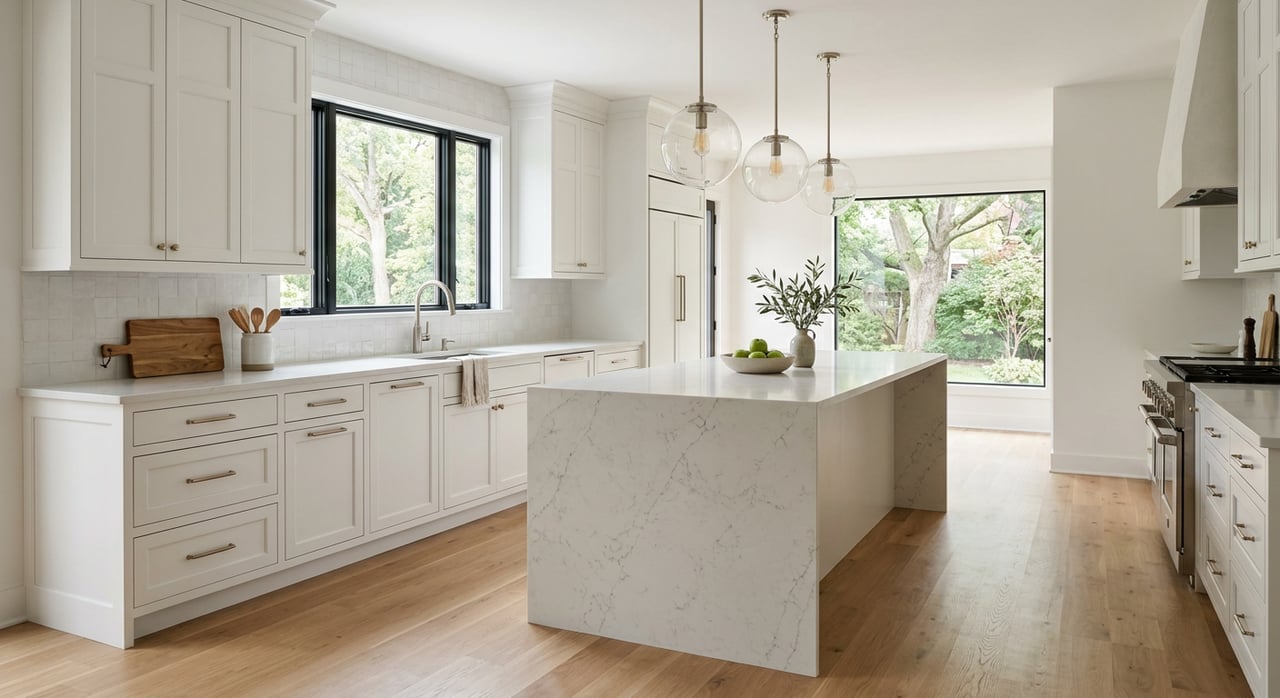
Hardin Valley New vs Resale: How to Choose Well
March 12, 2026
March 12, 2026
Trying to choose between a shiny new build and a well-kept resale in Hardin Valley can feel like comparing apples and oranges. You want the right house, at the right price, on the right timeline, without surprises. In this guide, you’ll get a clear, Knoxville‑local look at timelines, costs, inspections, warranties, and how to read listings so you can make a confident call in 37932. Let’s dive in.
Hardin Valley is one of West Knoxville’s fastest‑growing areas. You’ll see active subdivisions with modern floor plans, recent custom and Parade‑style homes, and a handful of larger tracts still available. Communities like Covered Bridge and The Glen at Hardin Valley continue to appear in new listings.
Prices vary by data source. As of early 2026, public indexes show an average home value around the mid‑$500Ks, median list prices in the mid‑$600Ks, and recent median sale prices in the high $400Ks to $500Ks. Different platforms measure different things, which is why the numbers do not match exactly. Use the MLS for the most current local read, and always date any figure you rely on.
Lot patterns in newer subdivisions often range from about 0.2 to 0.5 acres, with a few half‑acre and multi‑acre options elsewhere. Sloped lots and walkout basements are common in parts of 37932, which can affect foundation type and backyard usability. Many neighborhoods have HOAs with amenities like pools and clubhouses. Some listings have shown HOA fees around $960 per year, but you should always verify current covenants and dues.
If you need to move quickly, resale homes and finished spec homes usually close fastest. A standard financed purchase often runs about 30 to 45 days from contract to close, depending on lender speed, appraisal, and title. See typical timelines for financed closings in this overview of how long closings take for a national lender context. Learn more about typical contract‑to‑close timing.
Early‑stage spec or quick‑delivery homes can save time over a full build while still letting you choose a few finishes. You will trade some customization for a quicker move‑in window.
For to‑be‑built homes, plan on several months from contract to completion. National data puts typical single‑family build times roughly in the 6 to 12 month range, with custom projects often taking longer due to design scope and permitting. See a breakdown of average build timelines.
If you are building, ask whether you will use a construction‑to‑permanent loan or a two‑step structure. Documentation, draw schedules, and requalification triggers can impact your calendar and cash flow. If a builder offers lender incentives, get a written comparison of the net benefit versus using your own lender. Review construction‑to‑permanent loan basics.
Builders often advertise a base price that assumes a standard lot and standard finishes. The final price usually reflects lot premiums, structural choices, finish upgrades, added electrical and lighting, landscaping, window treatments, and any site‑specific work like grading or rock removal. Incentives can help, but ask for a full inclusions list and a written price for the exact homesite you want.
Bottom line: compare the total out‑the‑door number for the plan and lot, not just the base price.
With resale, you can see the home’s condition and negotiate based on inspections. Some older homes may sell below today’s cost to build and offer renovation upside. On the flip side, factor in near‑term capital items like HVAC, roof, and windows if systems are near end of life. Your budget should include both purchase price and likely first‑year maintenance.
You get current building codes, energy‑efficient systems, modern layouts, and the chance to choose finishes if timing allows. This can reduce early maintenance and help you move in with fewer projects.
You often find established streets, mature landscaping, and quicker move‑in. In Hardin Valley, newer subdivisions tend to have smaller lots than older pockets, so if you want a bigger yard, a resale or acreage tract may be the better match. Always weigh yard usability and slope along with square footage.
Order a general home inspection following the InterNACHI Standards of Practice. Add targeted tests based on the property: sewer scope, termite check if required, radon test, and septic or well inspections where applicable. The EPA recommends testing for radon in all homes. Many Hardin Valley listings show public water and sewer, but some rural parcels still have septic or well systems, so confirm utilities on the MLS and plan the right specialists.
Independent phase inspections catch issues before drywall and again before closing. Schedule foundation, pre‑drywall, and final inspections, and plan an 11‑month warranty inspection before coverage expires to document any needed repairs. See how phase inspections and 11‑month reviews work.
Many builders provide a 1‑2‑10 style warranty: year 1 for workmanship, year 2 for systems, and year 10 for structural items. Ask whether the program is insurer‑backed, how claims are handled, and if the warranty transfers when you sell. Learn the basics of 1‑2‑10 structural coverage.
Do not assume uniform infrastructure. Confirm water and sewer in the MLS fields for every property. If you see “septic” or “well,” plan the appropriate inspections and loan contingencies.
Many active subdivisions include pools, clubhouses, sidewalks, and trails. Verify current fees, rules, and any planned assessments. Some 37932 listings have shown HOA dues around $960 per year, but dues vary by community and can change.
Check acreage, slope, and whether a walkout or daylight basement is part of the plan. Steeper lots can impact foundation costs and how you use the backyard. In newer neighborhoods, lots commonly run 0.2 to 0.5 acres, while older or rural sections may offer more land.
Use this simple, local checklist to get from “maybe” to “move.”
Define your move‑in window. If you need keys within about 30 to 45 days, focus on resale or completed spec homes. If you want full customization, plan for a longer horizon.
Confirm essentials on every listing. Utilities, HOA fees, lot size, and slope should be verified in the MLS. Utilities drive your inspection plan and can affect loan options.
For new construction, request documents in writing. Ask for the full inclusions list, lot‑specific pricing and premiums, estimated build calendar, punch list process, and whether the builder provides an insurer‑backed 1‑2‑10 structural warranty.
Map your inspection strategy. Resale: general inspection plus add‑ons like radon, sewer scope, and septic or well as needed, following InterNACHI’s scope. New build: schedule phase inspections and an 11‑month warranty review with an independent inspector. Here is a helpful phase‑inspection overview.
Align financing with the property. Building from scratch often uses construction‑to‑permanent financing. Ask about rate locks, requalification, draw schedules, and any lender incentives.
Do neighborhood due diligence. Request recent comparable sales, HOA covenants, and any planned nearby development filings. Check current school assignments directly with the district and use neutral, factual information in your decision.
Compare total costs. For new builds, add up base price, lot premium, upgrades, landscaping, and window coverings. For resales, budget for repairs and capital items you might need in the first 1 to 3 years.
However you lean, the smartest next step is to confirm the numbers that matter to you: total cost, timeline, inspections, and resale potential.
Hardin Valley is in Jennifer’s daily lane. With boutique, lead‑agent service and an appraisal‑informed pricing approach, you get clear, data‑backed advice on both new builds and resales. Whether you need relocation support, buyer representation, or full inspection and repair coordination, you will work directly with a trusted local expert who keeps you informed at every step.
If you are weighing a specific community, plan, or resale, reach out to review comps, lot choices, build timelines, and inspection plans tailored to 37932. Start a conversation with Jennifer Whicker today.
Stay up to date on the latest real estate trends.


With me, what you see is what you’ll get. I’ll give you honest advice, enable you to think outside the box, and will be patient and never pushy. I’ll help you with decision-making and advocating, and make sure everything is moving forward. Your peace of mind is my priority. Whether you’re a first-time buyer or a seasoned seller, I’d love to be your Knoxville Realtor®.